Shift Risk Left
Unknowns are inherently risky. Known risks you can plan for; unknown risks you need to learn more about so that you can mitigate them. Shifting risk left means taking actions that allow you to de-risk unknowns now, …
MANY articles on a wide array of topics. You’ll find a lot of my newer content is going to my YouTube channel first, but I do still blog occasionally.

Unknowns are inherently risky. Known risks you can plan for; unknown risks you need to learn more about so that you can mitigate them. Shifting risk left means taking actions that allow you to de-risk unknowns now, …
Estimates are perishable. As soon as they're made, new information makes them obsolete. Unless updated frequently, whatever value estimates provide quickly diminishes.

Estimates are at best educated guesses, and the further out in the future they are, the less likely they are to reflect reality. Ignore this fact at your peril.

Estimates are made by individuals, with individual assumptions. As such, they don't transfer well between individuals, even within the same role or skillset.
Estimates are waste, in that time spent estimating is often time that could have been spent producing something with business value. The first of the 5 laws of software estimates, this one is easy to demonstrate in the …

Postel's Law, also known as the Robustness Principle, states that TCP implementations should be conservative in what they do (send), but liberal in what they accept from others. It's credited with helping the early …
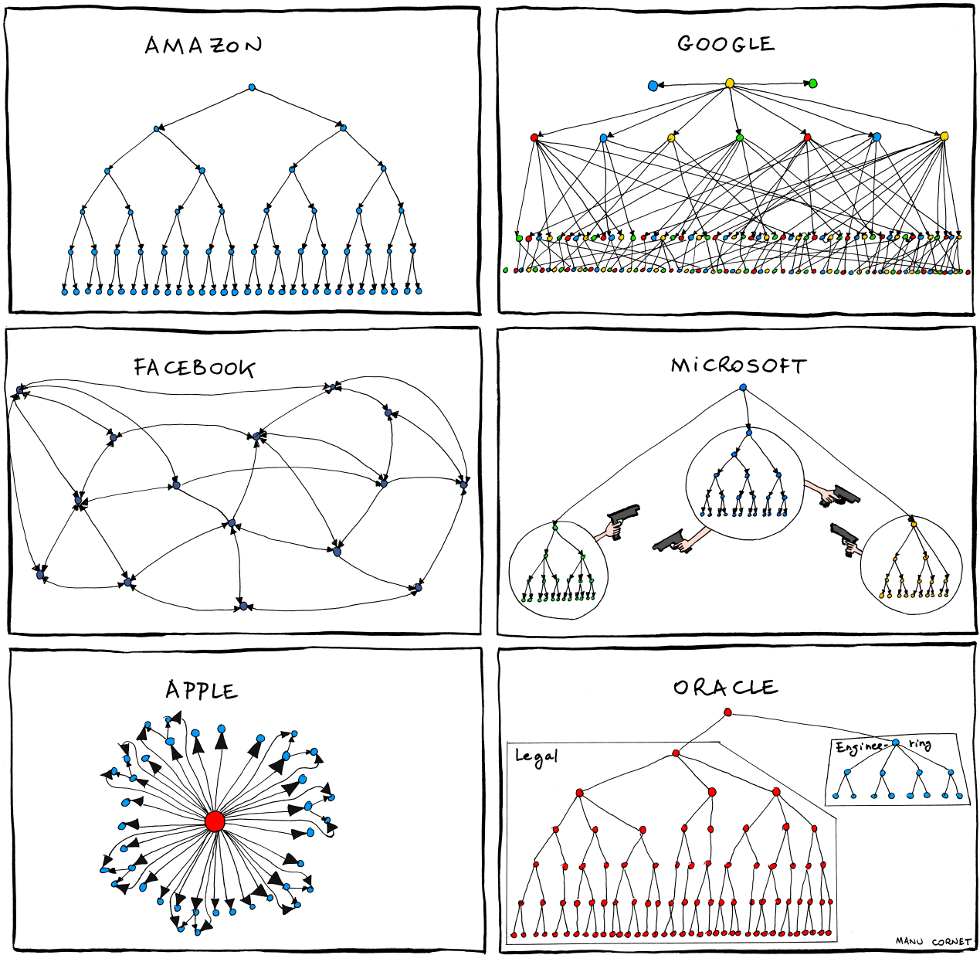
Conway's Law states that any organization that designs a system

User stories are a useful tool for describing requirements of

Software design principles to consider when evaluating data access

Eleven ways to design a no duplicates names rule in a domain model following domain-driven design (DDD).